Go
 *
- 2 players
- 30–180 min
- ages 8+
- Complexity: heavy
- no in-game text
 *


- Two players – the best count, players say
- Hobby gamers – plenty to plan and discover
- Families with kids – ages 8+, heavy to learn
- Newcomers – a steep learning curve
- Large groups (5+) – 2 players at most
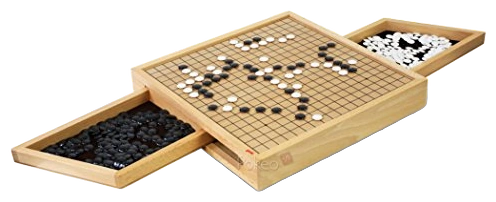
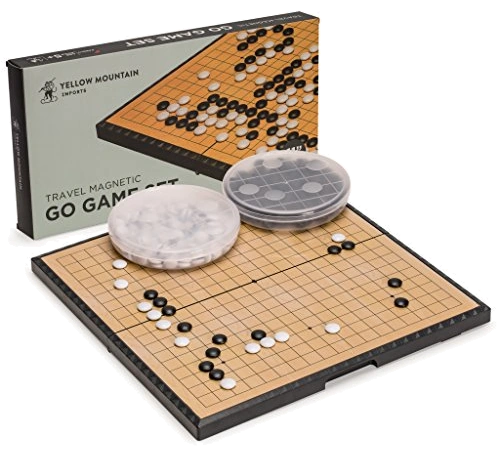
Go is a classic abstract strategy game that stands out for its simplicity and profound strategic depth. It's one of the oldest board games still played in its original form today, offering a unique blend of tactical play and long-term strategy.
Key Features:
- Basic Rules, Deep Strategy: Simple to learn with just two types of moves, yet offers immense strategic depth.
- Territory Control: Players aim to capture the most territory by strategically placing stones and surrounding the opponent's stones.
- Endgame Flexibility: The game ends when the board fills up or by mutual agreement, leading to diverse strategies.
- Historical Significance: Dating back to ancient China, with references in historical texts and archeological finds.
- Versatile Game Set: The Go board and stones can be used to play various other abstract strategy games.
Gameplay:
- Played on a 19×19 grid, players alternate placing black or white stones on the intersections.
- The objective is to use these stones to form territories and capture opponent's stones.
- Capturing occurs by completely surrounding a group of the opponent's stones.
- Players have the option to pass, and the game ends when both players pass consecutively.
- The winner is determined by who controls more territory, considering the number of captured stones.
Player Experience:
- Go challenges players to balance between offensive and defensive strategies.
- The game is known for its elegance and the deep thinking it requires.
- The large board offers a vast array of strategic possibilities, making each game unique.
- The game is highly revered in strategic gaming communities and has a rich cultural history.
- Suitable for players looking for a deeply strategic and competitive experience.
Conclusion:
Go is a timeless board game that exemplifies the essence of pure strategy. Its simple rules belie a complexity that has fascinated players for centuries. The game encourages critical thinking and foresight, rewarding planning and tactical adjustments. It's a testament to the game's design that it remains popular and highly respected in modern times, offering a truly unparalleled strategic experience.
💰 19% cheaper on Amazon than at other retailers
Who is Go for?
- Two players very good the best count, players say
- Families with kids not really ages 8+, heavy to learn
- Newcomers not really a steep learning curve
- Hobby gamers very good plenty to plan and discover
- Large groups (5+) not really 2 players at most
| Complexity | 3.9 of 5 | heavier than 98% of games we list |
|---|---|---|
| Playing time | 30–180 min | longer than 83% of games we list |
| Age | 8+ | playable earlier than 75% of games we list |
How it feels
- Thinking Gut feeling
- Together Against each other
- Talking Quiet
- Quick Epic
- Laughing Marvelling
- Luck Skill
Player-count verdicts come from the BoardGameGeek community poll; everything else is derived from complexity, age rating and mechanics. We have not tested Go ourselves.
More from the “Traveller (Ravensburger)” series
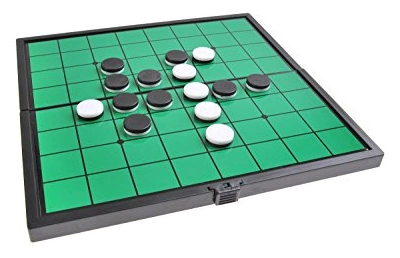

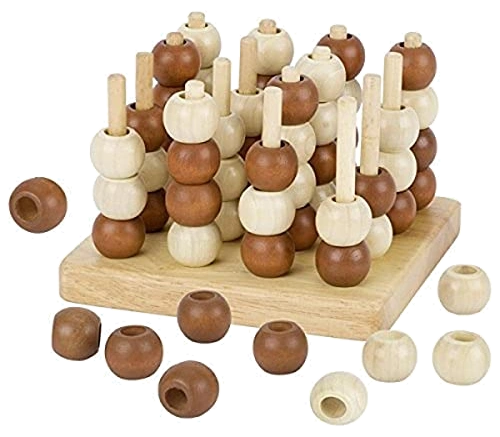


Games similar to Go
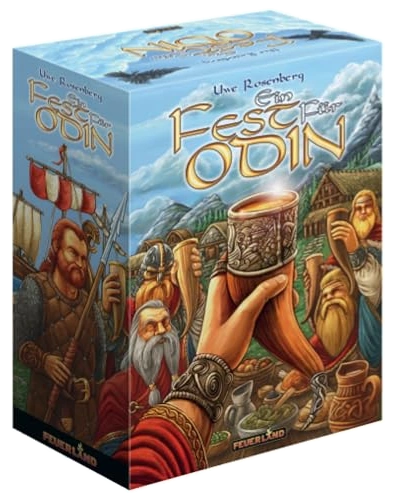



🪜 Love Go? Ready for more – the staircase shows three games, each a little more demanding, and what each one adds.
Go: common questions
- How many players is Go for?
- Go plays 2. Players say it works best with 2.
- Can you play Go with two players?
- Yes. Players even rate two as the best count.
- How long does a game of Go take?
- 30 to 180 minutes according to the publisher. A first game with the rules explanation usually runs longer.
- What age is Go suitable for?
- The publisher recommends Go for ages 8 and up.
- Is Go hard to learn?
- The community rates its complexity 3.9 out of 5 — that is heavy.
- Is Go language-dependent?
- No. The components carry no text; only the rulebook needs reading.