Monolyth
 *
- 1–4 players · best with 2
- 30 min
- ages 8+
- Complexity: very light
- no in-game text
 *

- Two players – the best count, players say
- Families with kids – ages 8+, very light to learn
- Newcomers – explained in a few minutes
- Hobby gamers – too light to carry an evening
- Large groups (5+) – 4 players at most
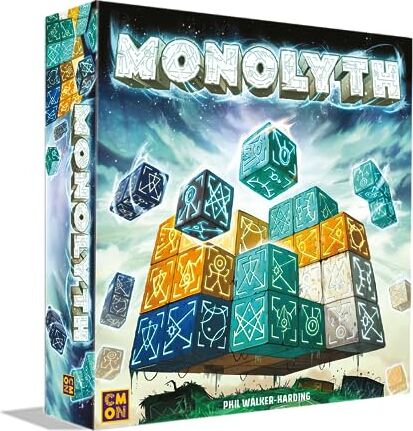
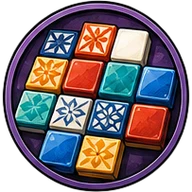
In Monolyth, everyone builds their own block of stones from three-dimensional polyominoes, competing over coloured patches, completed levels and one shared target pattern. Phil Walker-Harding's abstract puzzle plays with one to four people aged 8 and up and runs about 30 minutes.
What is it about?
In front of you sits a 4x4 board that rises stone by stone. A randomly drawn structure card decides which finished shape this game rewards. That keeps the core task the same every round, yet no two games ever feel alike.
How it plays
- Move the crystal marker 1 to 4 spaces clockwise.
- Take the polyomino sitting there and place it on your board, never overhanging an edge or an empty gap.
- Or trade the piece for a single 1x1 block of the same colour.
- Draw a new polyomino to refill, then pass play on.
Fill a whole level and you claim the largest level token still available. Prophecy tokens along the edges pin extra goals onto your structure.
What makes it click
- Genuine 3D puzzling: shapes stack up instead of just lying side by side.
- Short rules, deep choices, a fresh dilemma every round.
- A full solo mode for quiet evenings on your own.
- Compact components that draw eyes to the table at once.
Who is it for?
Monolyth suits anyone who loves spatial puzzling and Tetris-like shapes, plus families from eight who enjoy relaxed optimisation games. If you crave heavy player interaction, though, note that each person mostly builds their own tower here.
Conclusion
Monolyth lifts the popular polyomino idea neatly into the third dimension and looks great doing it. Puzzlers get short, replayable fun with plenty of depth. Anyone after confrontation and take-that tension will miss it in this largely solitaire build-off.
Who is Monolyth for?
- Two players very good the best count, players say
- Families with kids very good ages 8+, very light to learn
- Newcomers very good explained in a few minutes
- Hobby gamers not really too light to carry an evening
- Solo good recommended by players
- Large groups (5+) not really 4 players at most
| Complexity | 1.4 of 5 | lighter than 86% of family games |
|---|---|---|
| Playing time | 30 min | shorter than 71% of family games |
| Age | 8+ | mid-range among family games |
How it feels
- Thinking Gut feeling
- Together Against each other
- Talking Quiet
- Quick Epic
- Laughing Marvelling
- Luck Skill
Player-count verdicts come from the BoardGameGeek community poll; everything else is derived from complexity, age rating and mechanics. We have not tested Monolyth ourselves.
Games similar to Monolyth
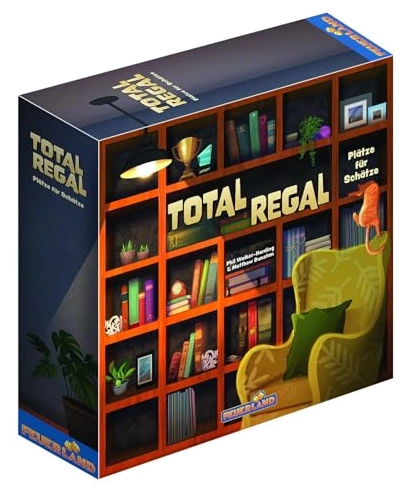
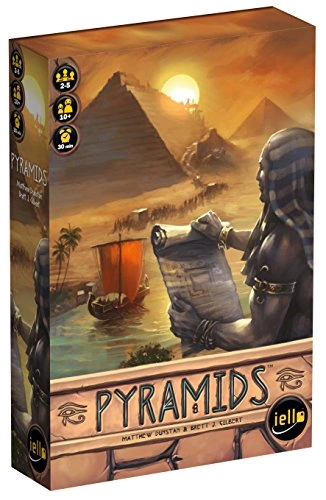
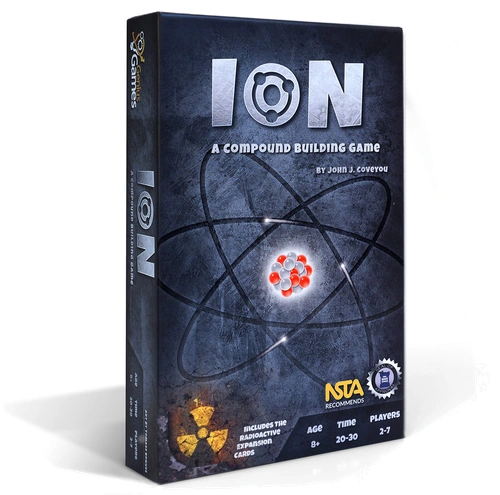
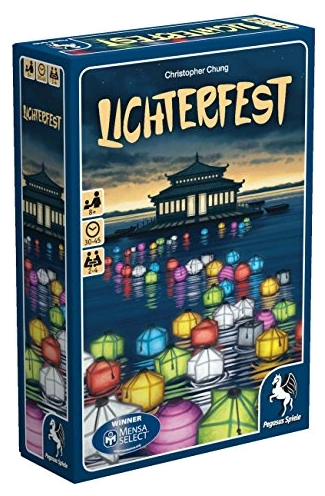
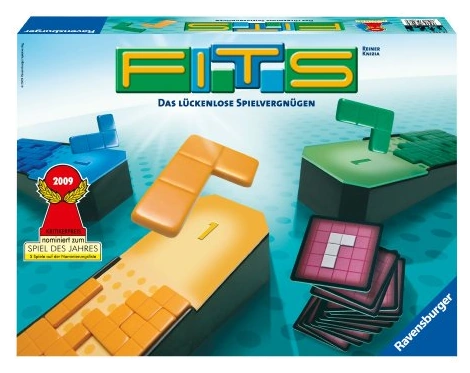
🪜 Love Monolyth? Ready for more – the staircase shows three games, each a little more demanding, and what each one adds.
Monolyth: common questions
- How many players is Monolyth for?
- Monolyth plays 1 to 4. Players say it works best with 2.
- Can you play Monolyth with two players?
- Yes. Players even rate two as the best count.
- Can you play Monolyth solo?
- Yes, it has a solo mode, and players recommend it.
- How long does a game of Monolyth take?
- 30 minutes according to the publisher. A first game with the rules explanation usually runs longer.
- What age is Monolyth suitable for?
- The publisher recommends Monolyth for ages 8 and up.
- Is Monolyth hard to learn?
- The community rates its complexity 1.4 out of 5 — that is very light.
- Is Monolyth language-dependent?
- No. The components carry no text; only the rulebook needs reading.
We like Monolyth so much that we recommend it in the following board game recommendation lists 2026
- Position 19 in The best games from Phil Walker-Harding 🇦🇺👨