Monopoly
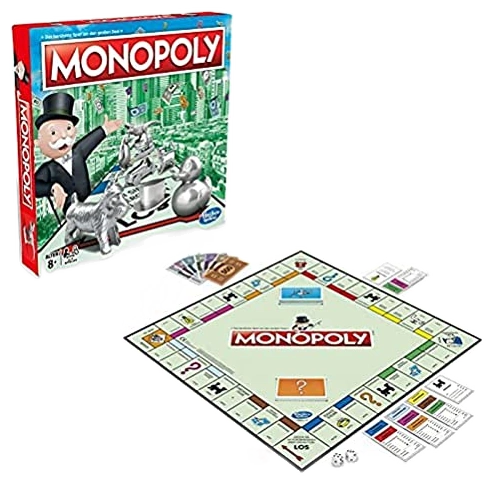 *
- 2–8 players · best with 4
- 60–180 min
- ages 8+
- Complexity: light
- some text
 *




- Families with kids – ages 8+, light to learn
- Newcomers – clicks after one practice round
- Large groups (5+) – recommended by players
- Hobby gamers – too light to carry an evening
Monopoly is a classic board game that combines strategy, luck, and negotiation. It's widely recognized for its representation of property trading and economic management.
Gameplay Overview
- Theme: Players are landowners aiming to buy, develop, and profit from properties.
- Movement: Players roll two dice to move around the board, landing on various property spaces.
- Property Acquisition: Unowned properties can be bought or auctioned. Owning all properties in a color group allows building houses and hotels.
- Rent: Players pay rent when landing on properties owned by others.
- Income and Expenses: Players earn money by collecting rent and spend on fines, taxes, and property development.
- Bankruptcy and Elimination: The game continues until all but one player is bankrupt.
- House Rules Variation: Common house rules often alter gameplay significantly from the official rules.
Cultural and Historical Significance
- Origins: Based on The Landlord's Game by Elizabeth J. Magie, to demonstrate the economic principles of Henry George.
- Development: Popularized by Charles Darrow during the Great Depression.
- Legacy: One of the best-selling board games in the world, with numerous editions and variations.
- Cultural Impact: Has influenced popular culture and been a subject of various adaptations and parodies.
Conclusion
Monopoly is more than just a game; it's a cultural icon. It offers players a mix of luck and strategy, with the added elements of negotiation and resource management. The game's simple mechanics make it accessible to a wide audience, while its competitive nature can lead to intense and engaging gameplay sessions. Its enduring popularity is a testament to its status as a staple in the world of board gaming.
Nominated for 1 award and won 1.
Who is Monopoly for?
- Two players limited possible, but not a recommended count
- Families with kids very good ages 8+, light to learn
- Newcomers good clicks after one practice round
- Hobby gamers not really too light to carry an evening
- Large groups (5+) good recommended by players
| Complexity | 1.6 of 5 | lighter than 73% of family games |
|---|---|---|
| Playing time | 60–180 min | longer than 99% of family games |
| Age | 8+ | mid-range among family games |
How it feels
- Thinking Gut feeling
- Together Against each other
- Talking Quiet
- Quick Epic
- Laughing Marvelling
- Luck Skill
Player-count verdicts come from the BoardGameGeek community poll; everything else is derived from complexity, age rating and mechanics. We have not tested Monopoly ourselves.
More from the “De Efteling” series
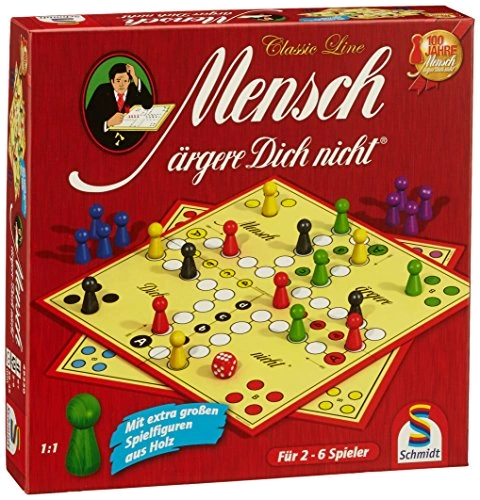
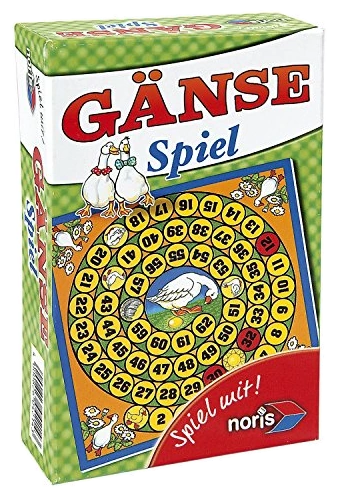

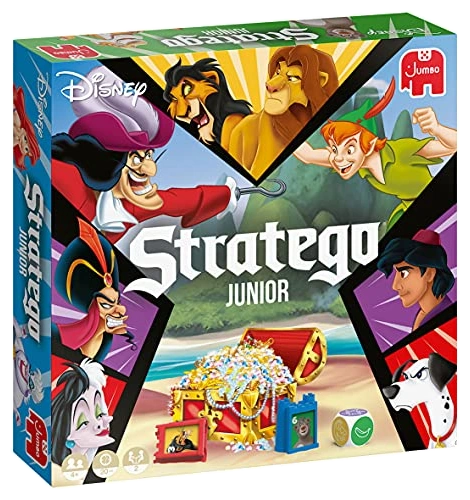
Games similar to Monopoly
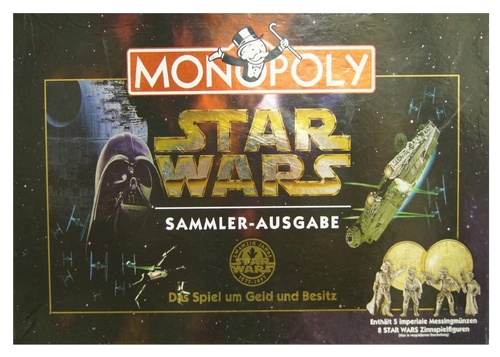
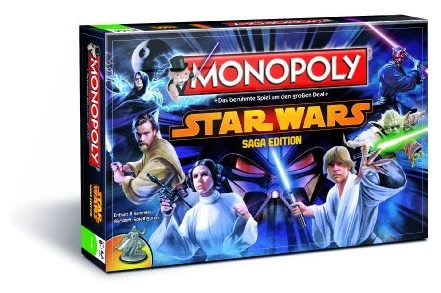
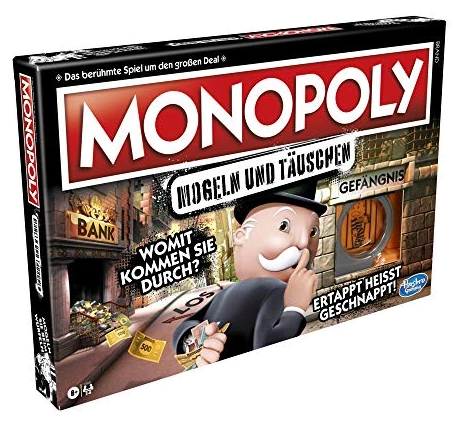
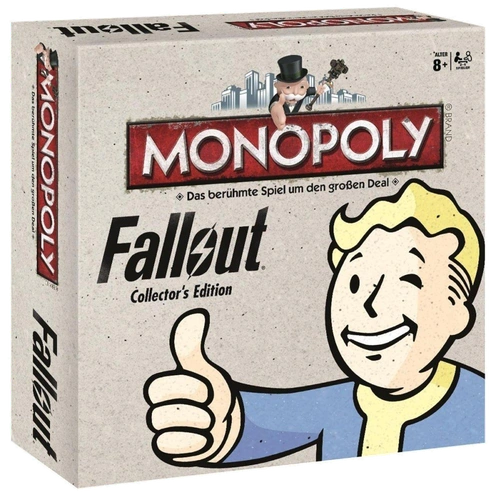
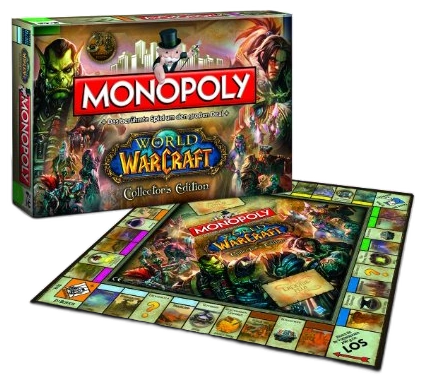
🪜 Love Monopoly? Ready for more – the staircase shows three games, each a little more demanding, and what each one adds.
Monopoly: common questions
- How many players is Monopoly for?
- Monopoly plays 2 to 8. Players say it works best with 4.
- Can you play Monopoly with two players?
- It works, but players recommend a different count.
- How long does a game of Monopoly take?
- 60 to 180 minutes according to the publisher. A first game with the rules explanation usually runs longer.
- What age is Monopoly suitable for?
- The publisher recommends Monopoly for ages 8 and up.
- Is Monopoly hard to learn?
- The community rates its complexity 1.6 out of 5 — that is light.
- Is Monopoly language-dependent?
- Partly. The components carry some text; an edition in your language helps.
We like Monopoly so much that we recommend it in the following board game recommendation lists 2026
- Position 14 in The best games set in Poland 🇵🇱
- Position 14 in The best games set in Sweden 🇸🇪
- Position 16 in The best board games of the 1930s
- Position 24 in The best games from ASS Altenburger Spielkarten 🇩🇪🏢
- Position 38 in The best board games to end a relationship'
1 more lists
- Position 13 in Best Games Set in Switzerland 🇨🇭