Trajan
 *
- 2–4 players · best with 4
- 60–120 min
- ages 12+
- Complexity: heavy
- no in-game text
No. 7 in “All "Deutscher Spielepreis🇩🇪 2012" game award winners & nominees in comparison”
 *


- Hobby gamers – plenty to plan and discover
- Two players – recommended by players
- Families with kids – ages 12+, heavy to learn
- Newcomers – a steep learning curve
- Large groups (5+) – 4 players at most
Trajan is a sophisticated board game set in ancient Rome, where players aim to expand their influence across various aspects of Roman society. Renowned for its unique central mechanism and strategic depth, the game is a creation of acclaimed designer Stefan Feld.
Key Aspects:
- Theme: Set in ancient Rome, focusing on various aspects like politics, military, trade, and culture.
- Central Mechanism: Inspired by Mancala-style mechanics, involving the strategic movement of pieces around the player's tableau.
Gameplay Overview:
- Actions: Six actions available - building, trading, acquiring forum tiles, military maneuvers, influencing the Senate, and placing Trajan tiles.
- Unique Movement System: Players pick up pieces from a section of their tableau and distribute them in a clockwise pattern, determining the action they perform.
- Trajan Tiles: Matching the colors of pieces in a bowl to adjacent Trajan tiles allows an additional action, adding a layer of strategic planning.
Strategic Elements:
- Resource Management and Planning: Balancing various actions and resources for optimal play.
- Anticipating Demands: In the Forum, players must predict public demands to avoid penalties.
- Influencing Senate: Gaining influence for votes on laws that align with long-term strategies.
- Military Expansion: Control regions for points, with distant regions from Rome offering higher value.
Player Experience:
- High Strategic Depth: Requires foresight, planning, and adaptability.
- Variety of Strategies: Multiple paths to victory through different areas of influence.
- Player Interaction: While indirect, players must be aware of others' strategies and adapt accordingly.
- Complexity: More suited to experienced gamers due to intricate mechanics and strategic depth.
Conclusion:
Trajan is a deeply engaging board game that stands out for its unique mechanics and strategic richness. It appeals to players who enjoy complex decision-making and long-term planning, set against the backdrop of ancient Rome. The game’s design is a testament to Stefan Feld’s reputation for creating challenging and rewarding board games.
Nominated for 10 awards and won 2.
Who is Trajan for?
- Two players good recommended by players
- Families with kids not really ages 12+, heavy to learn
- Newcomers not really a steep learning curve
- Hobby gamers very good plenty to plan and discover
- Large groups (5+) not really 4 players at most
| Complexity | 3.6 of 5 | heavier than 82% of strategy games |
|---|---|---|
| Playing time | 60–120 min | longer than 59% of strategy games |
| Age | 12+ | mid-range among strategy games |
How it feels
- Thinking Gut feeling
- Together Against each other
- Talking Quiet
- Quick Epic
- Laughing Marvelling
- Luck Skill
Player-count verdicts come from the BoardGameGeek community poll; everything else is derived from complexity, age rating and mechanics. We have not tested Trajan ourselves.
Video reviews, ratings, Let's Plays and tests for Trajan


More from the “Book Box (DiceTree)” series



Games similar to Trajan
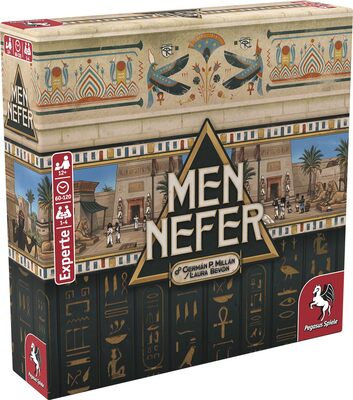
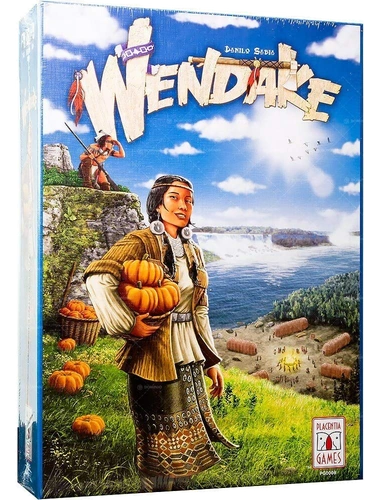

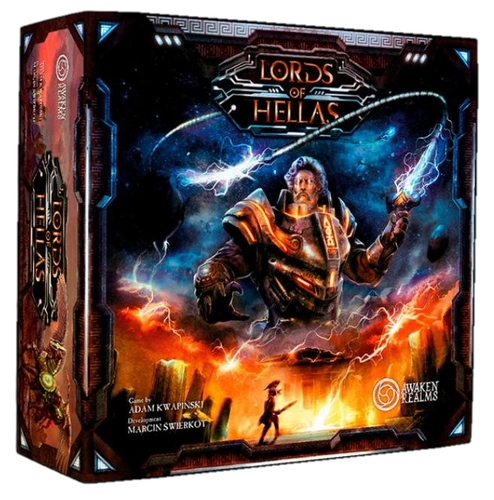
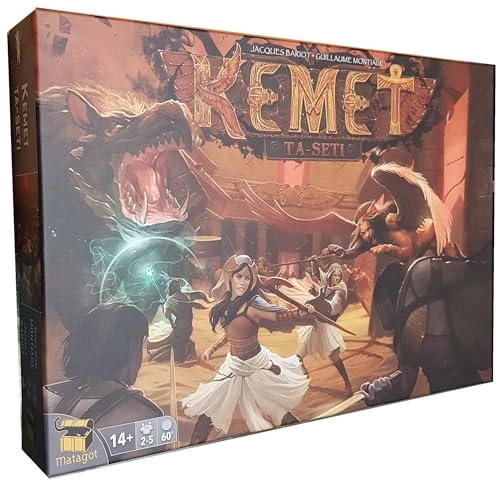
🪜 Love Trajan? Ready for more – the staircase shows three games, each a little more demanding, and what each one adds.
Trajan: common questions
- How many players is Trajan for?
- Trajan plays 2 to 4. Players say it works best with 4.
- Can you play Trajan with two players?
- Yes. Players recommend it with two.
- How long does a game of Trajan take?
- 60 to 120 minutes according to the publisher. A first game with the rules explanation usually runs longer.
- What age is Trajan suitable for?
- The publisher recommends Trajan for ages 12 and up.
- Is Trajan hard to learn?
- The community rates its complexity 3.6 out of 5 — that is heavy.
- Is Trajan language-dependent?
- No. The components carry no text; only the rulebook needs reading.
We like Trajan so much that we recommend it in the following board game recommendation lists 2026
- Position 21 in The best games from Stefan Feld 🇩🇪👨
- Position 7 in All "Deutscher Spielepreis🇩🇪 2012" game award winners & nominees in comparison