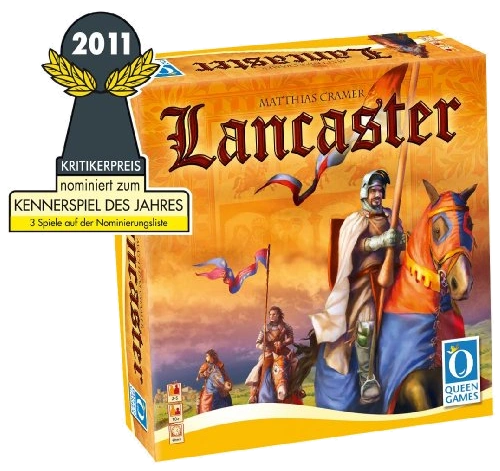
Lancaster
 *
- 2–5 players · best with 4
- 60 min
- ages 10+
- Complexity: medium
- no in-game text
 *




- Hobby gamers – enough depth for repeat plays
- Large groups (5+) – recommended by players
In the year 1413, England is under the rule of the ambitious King Henry V of Lancaster. His grand vision includes the unification of England and the conquest of the coveted French crown. In the midst of this pivotal period, noble families vie for influence and power. Lancaster, a strategic board game from the designer of Glen More, invites players to step into the shoes of these aristocratic families. Who among them will prove to be the most loyal supporter of the young king and rise as the most influential Lord of their time?
Gameplay Overview
A Quest for Power: In Lancaster, players aim to transcend their roles as mere Lords and become the most formidable allies of the king. This can be achieved through the development of their knighthood and the strategic deployment of individual knights across the counties of England, within their own castles, and in conflicts with France. The accumulation of power points is the path to victory.
Strategic Knight Placement: Each turn, players dispatch their knights to various locations, including counties where they compete with knights from rival players for rewards and the favor of nobles. Knights are also sent to the castle to receive income or recruit new knights. Engaging in conflicts with France allows players to combine their strength to gain valuable power points.
Counties and Knight Strength: The strength of knights is crucial in counties, as players can displace an opponent's knight by introducing a stronger knight of their own to the same location.
Special Features
Intriguing Political Maneuvers: In the parliament, players aim to pass laws that will serve their interests most effectively, adding an element of political strategy to the game.
Historical Ambiance: Set against the backdrop of Lancastrian England, the game immerses players in the historical context of the 15th century.
Conclusion
Lancaster challenges players to navigate the complex landscape of Lancastrian England during a time of political ambition and strategic maneuvering. As aristocratic families, your goal is to secure power and influence, ultimately emerging as the most prominent supporter of King Henry V. Engage in cunning diplomacy, strengthen your knighthood, and make shrewd decisions in parliament to claim victory. Will your family be the one to leave an indelible mark on this pivotal era of English history?
Nominated for 4 awards and won 1.
⭐️ Nominated for Kennerspiel des Jahres 2011
Who is Lancaster for?
- Two players limited possible, but not a recommended count
- Families with kids limited ages 10+, medium to learn
- Newcomers limited needs a patient teach
- Hobby gamers good enough depth for repeat plays
- Large groups (5+) good recommended by players
| Complexity | 3.0 of 5 | mid-range among strategy games |
|---|---|---|
| Playing time | 60 min | shorter than 74% of strategy games |
| Age | 10+ | playable earlier than 76% of strategy games |
How it feels
- Thinking Gut feeling
- Together Against each other
- Talking Quiet
- Quick Epic
- Laughing Marvelling
- Luck Skill
Player-count verdicts come from the BoardGameGeek community poll; everything else is derived from complexity, age rating and mechanics. We have not tested Lancaster ourselves.
Expansions for Lancaster
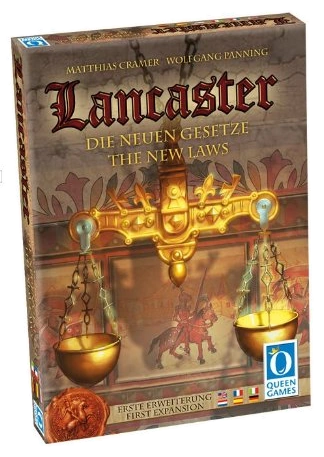

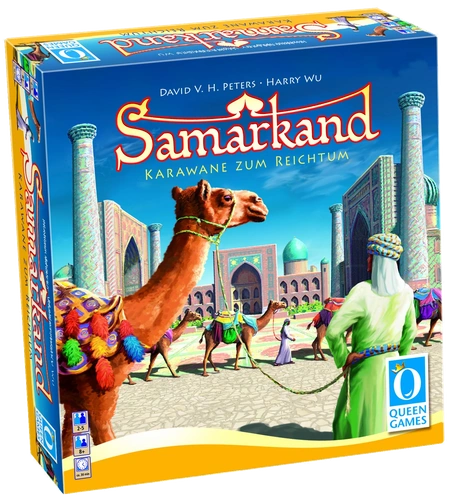
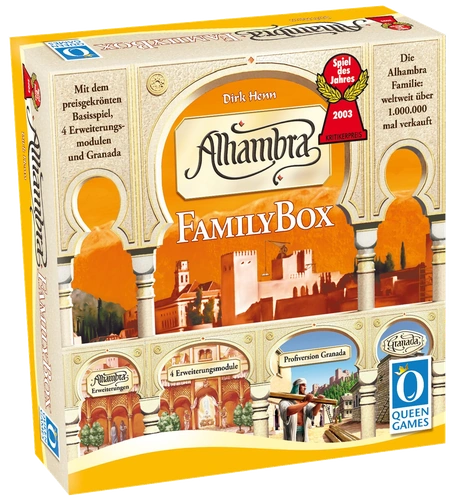
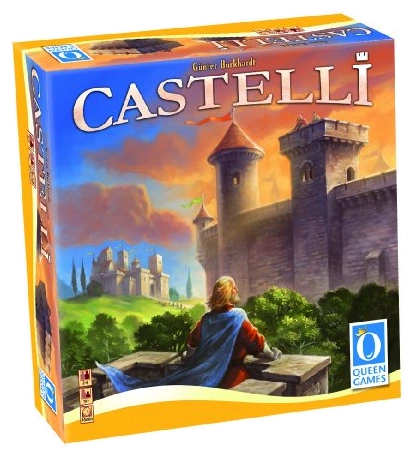
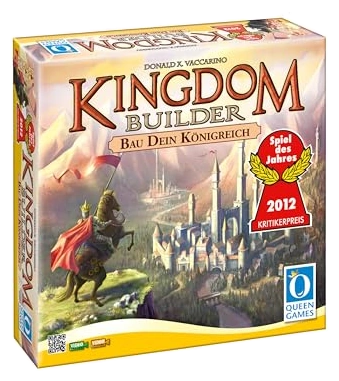
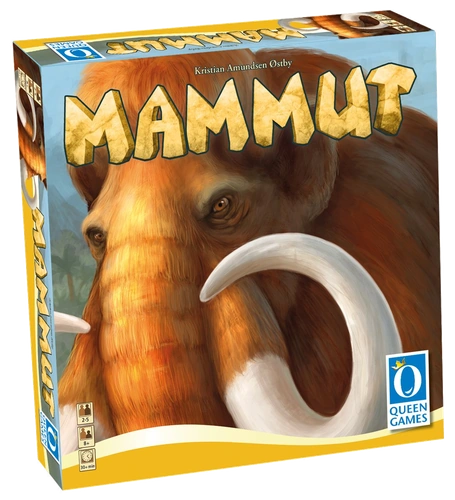
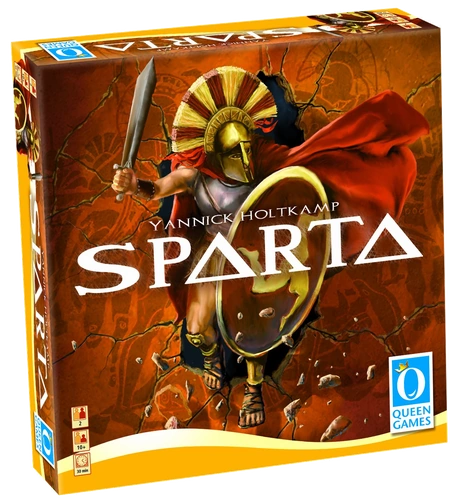
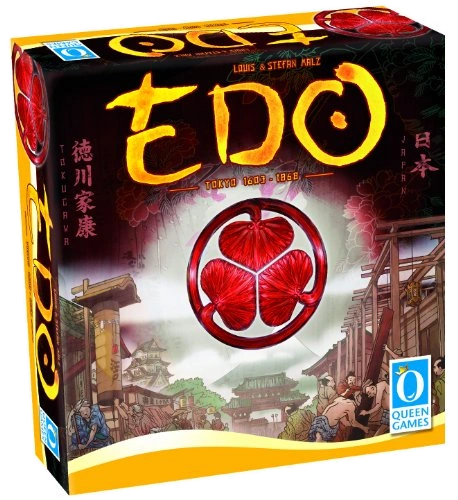
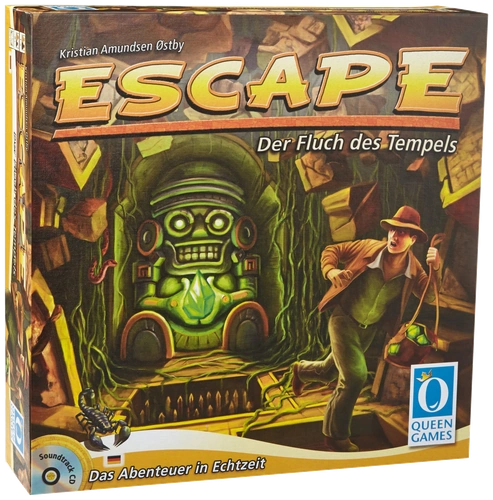
More from the “Yellow Wave Box (Queen)” series
Games similar to Lancaster

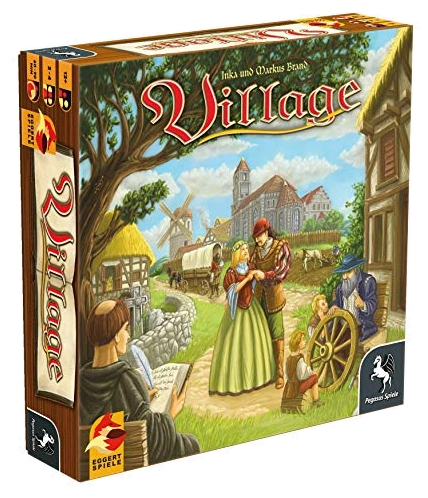

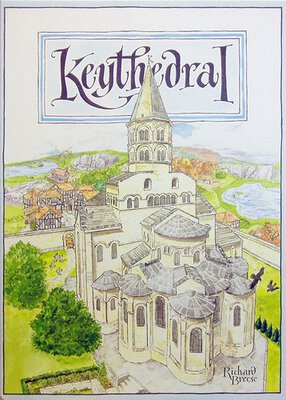
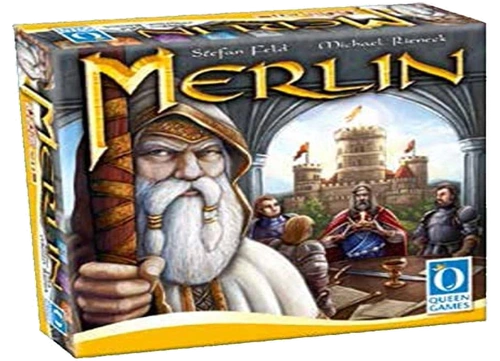
🪜 Love Lancaster? Ready for more – the staircase shows three games, each a little more demanding, and what each one adds.
Lancaster: common questions
- How many players is Lancaster for?
- Lancaster plays 2 to 5. Players say it works best with 4.
- Can you play Lancaster with two players?
- It works, but players recommend a different count.
- How long does a game of Lancaster take?
- 60 minutes according to the publisher. A first game with the rules explanation usually runs longer.
- What age is Lancaster suitable for?
- The publisher recommends Lancaster for ages 10 and up.
- Is Lancaster hard to learn?
- The community rates its complexity 3.0 out of 5 — that is medium.
- Is Lancaster language-dependent?
- No. The components carry no text; only the rulebook needs reading.
- Are there expansions for Lancaster?
- Yes, we list 2 expansions — see further up this page.