Laska
 *
- 2 players
- 30 min
- Complexity: medium
- no in-game text
 *
Good for
- Two players – the best count, players say
- Hobby gamers – enough depth for repeat plays
Less suited to
- Large groups (5+) – 2 players at most
Emanuel Lasker developed Laska in 1911 as a variant of the checkers family. Players start on a 7x7 board with eleven pieces each, moving them diagonally forward. Captured pieces remain on the board and can be reintroduced later. The game ends when a player cannot make a move or has no pieces left.
Who is Laska for?
- Two players very good the best count, players say
- Newcomers limited needs a patient teach
- Hobby gamers good enough depth for repeat plays
- Large groups (5+) not really 2 players at most
| Complexity | 2.6 of 5 | heavier than 66% of games we list |
|---|---|---|
| Playing time | 30 min | shorter than 75% of games we list |
How it feels
- Thinking Gut feeling
- Together Against each other
- Talking Quiet
- Quick Epic
- Laughing Marvelling
- Luck Skill
Player-count verdicts come from the BoardGameGeek community poll; everything else is derived from complexity, age rating and mechanics. We have not tested Laska ourselves.
More from the “E-Serie (F.X.Schmid)” series
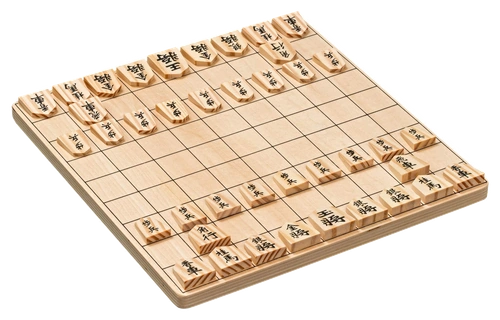

Games similar to Laska
You like Laska and are on the lookout for a similar game? Then we recommend the following board games:
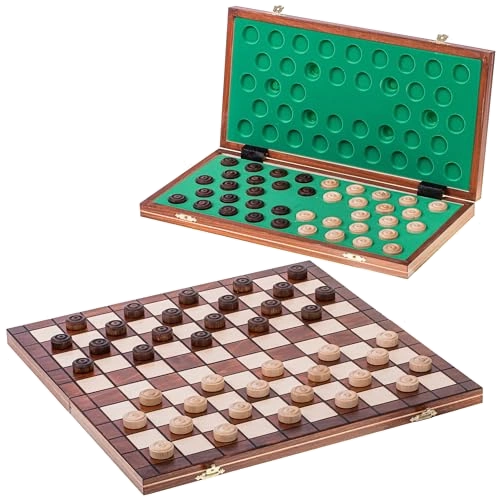
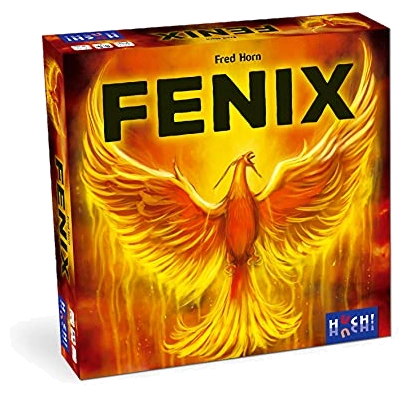

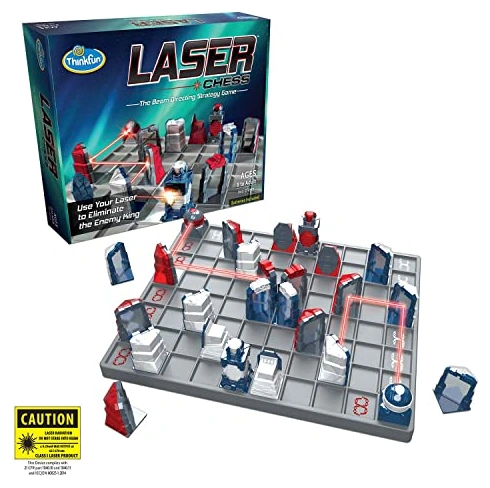
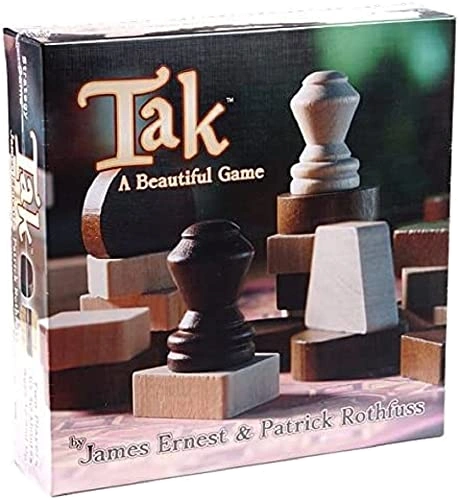
🪜 Love Laska? Ready for more – the staircase shows three games, each a little more demanding, and what each one adds.
Laska: common questions
- How many players is Laska for?
- Laska plays 2. Players say it works best with 2.
- Can you play Laska with two players?
- Yes. Players even rate two as the best count.
- How long does a game of Laska take?
- 30 minutes according to the publisher. A first game with the rules explanation usually runs longer.
- Is Laska hard to learn?
- The community rates its complexity 2.6 out of 5 — that is medium.
- Is Laska language-dependent?
- No. The components carry no text; only the rulebook needs reading.
We like Laska so much that we recommend it in the following board game recommendation lists 2026
- Position 3 in The best board games of the 1910s