Parade
 *
- 2–6 players · best with 4
- 45 min
- ages 8+
- Complexity: very light
- no in-game text
No. 2 in “The Best Card Games of the Year 2007 in Comparison”
 *





- Families with kids – ages 8+, very light to learn
- Newcomers – explained in a few minutes
- Two players – recommended by players
- Hobby gamers – too light to carry an evening
In Taj Mahal, players are immersed in the setting of northwest India at the beginning of the 18th century. This period marks the decline of the Grand Moguls' rule, presenting an opportunity for Maharishis and princes to assert control over the region. The game revolves around gaining influence through various strategic moves.
Key Features
- Historical Theme: The game is set against the backdrop of early 18th-century India, focusing on the power dynamics during the decline of the Grand Moguls.
- Objective: Players aim to accumulate the most influence points, achievable through palace construction and commodity acquisition.
Gameplay Mechanics
- Gaining Influence: Influence points are the game's currency for victory, obtained by building palaces and gathering commodities.
- Building Palaces: Players can construct palaces by securing the support of influential figures like the Vizier, General, Monk, Princess, or the Grand Mogul.
- Acquiring Commodities: Control over regions and the strategic placement of palaces facilitate the acquisition of valuable commodities.
- Auction-Based Play: A pivotal aspect of gameplay involves an auction system where players bid using cards in four colors to control regions and gain support.
- Strategic Withdrawal: Deciding when to withdraw from an auction is crucial, as it yields rewards based on majority control of specific symbols.
Player Experience
- Strategic Depth: The game demands thoughtful planning and strategic decisions, especially in the auction segments.
- Player Interaction: High levels of player interaction are driven by the competitive nature of the auction process.
- Replayability: With various strategies and outcomes possible, Taj Mahal offers a new experience in each session.
Additional Information
- Series: It's part of the Alea big box series.
- 2018 Edition: The latest edition by Fantasy Flight Games includes a 2-player rule variant, enhancing accessibility and playability.
Taj Mahal stands out as a strategically rich board game that successfully integrates historical elements with engaging gameplay. It's well-suited for players who enjoy historical themes, strategic bidding, and interactive gameplay. The game's historical setting, combined with its depth of strategy and replay value, makes it an appealing choice for board game enthusiasts seeking a compelling and challenging experience.
Nominated for 1 award.
Who is Parade for?
- Two players good recommended by players
- Families with kids very good ages 8+, very light to learn
- Newcomers very good explained in a few minutes
- Hobby gamers not really too light to carry an evening
- Large groups (5+) good recommended by players
| Complexity | 1.5 of 5 | lighter than 63% of card games |
|---|---|---|
| Playing time | 45 min | longer than 56% of card games |
| Age | 8+ | playable earlier than 65% of card games |
How it feels
- Thinking Gut feeling
- Together Against each other
- Talking Quiet
- Quick Epic
- Laughing Marvelling
- Luck Skill
Player-count verdicts come from the BoardGameGeek community poll; everything else is derived from complexity, age rating and mechanics. We have not tested Parade ourselves.
More from the “Deluxe card game (Z-Man / Filosofia)” series
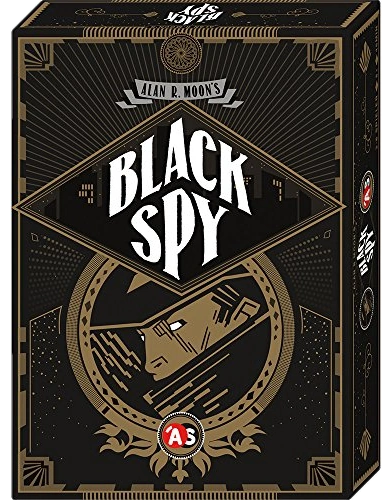

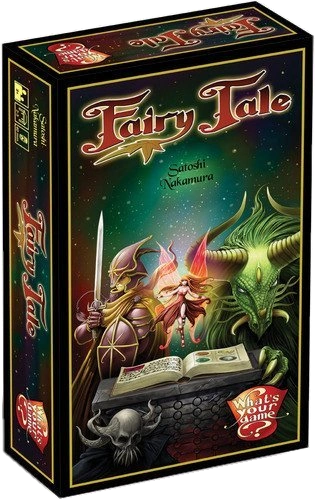

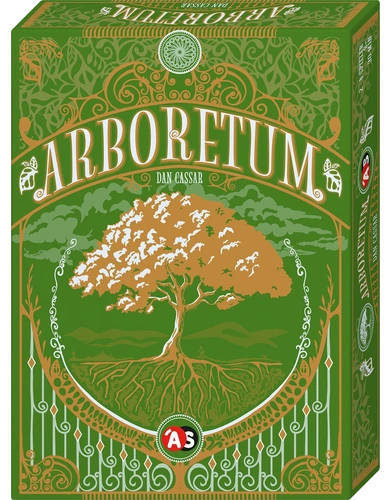

Games similar to Parade
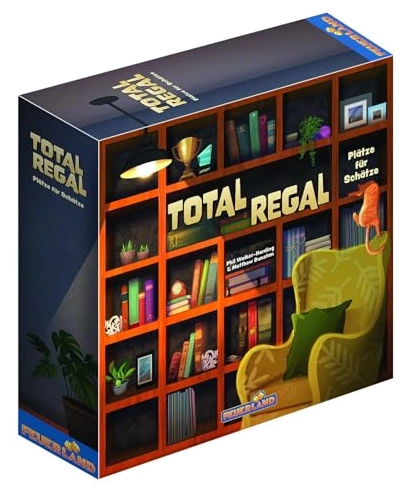
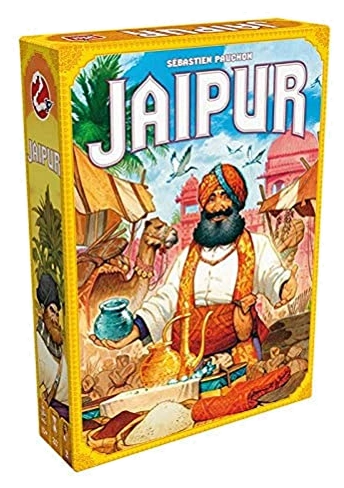


🪜 Love Parade? Ready for more – the staircase shows three games, each a little more demanding, and what each one adds.
Parade: common questions
- How many players is Parade for?
- Parade plays 2 to 6. Players say it works best with 4.
- Can you play Parade with two players?
- Yes. Players recommend it with two.
- How long does a game of Parade take?
- 45 minutes according to the publisher. A first game with the rules explanation usually runs longer.
- What age is Parade suitable for?
- The publisher recommends Parade for ages 8 and up.
- Is Parade hard to learn?
- The community rates its complexity 1.5 out of 5 — that is very light.
- Is Parade language-dependent?
- No. The components carry no text; only the rulebook needs reading.
We like Parade so much that we recommend it in the following board game recommendation lists 2026
- Position 2 in The Best Card Games of the Year 2007 in Comparison
- Position 3 in The best games released in 2007📆
- Position 10 in The best games based on novels/books 📖
- Position 13 in The Best Games from Schmidt Spiele 🇩🇪🏢
- Position 16 in The best number games 💯
8 more lists
- Position 19 in The best "As d'Or - Jeu de l'Année"🇫🇷 nominations.
- Position 24 in The best board games of the 2000s
- Position 29 in The best "As d'Or - Jeu de l'Année Tout Public"🇫🇷 winners & nominees (Main Prize)
- Position 4 in All "As d'Or - Jeu de l'Année"🇫🇷 2015 winners & nominees compared.
- Position 5 in Best games released at SPIEL 2009 in Essen
- Position 5 in All "À la carte🇩🇪 2014" game award winners & nominees in comparison
- Position 7 in The 137 favorite games of Quinn from SU&SD
- Position 7 in The 137 favourite games of Quinn from SU&SD