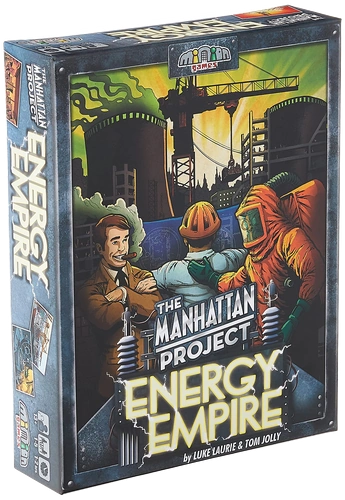
The Manhattan Project: Energy Empire
 *
- 1–5 players · best with 4
- 60–120 min
- ages 13+
- Complexity: medium
- some text
 *





- Hobby gamers – plenty to plan and discover
- Two players – recommended by players
- Solo – recommended by players
- Families with kids – ages 13+, medium to learn
- Newcomers – a steep learning curve
The Manhattan Project: Energy Empire is a standalone board game set in the same universe as The Manhattan Project. Players take on the role of nations in the post-war atomic age, striving for power through industrial, commercial, and governmental advancement. The game uniquely combines worker placement, tableau-building, and resource management mechanics, while emphasizing the environmental impact of industrialization.
Gameplay Overview
- Nation Building: Develop your nation’s industry, commerce, and government by managing resources and constructing buildings.
- Environmental Impact: Industrial activities increase pollution, affecting global conditions.
Special Features
- Worker Placement and Tableau Building: Utilize workers on the main board and activate cards in your tableau.
- Energy Generation Mechanic: Renew energy supplies by rolling energy dice representing various energy sources.
Conclusion
The Manhattan Project: Energy Empire offers a deep and engaging experience for players interested in strategy and resource management. The game's focus on the balance between industrial expansion and environmental impact adds a thought-provoking element, making it a great choice for those who enjoy games with a mix of strategic depth and real-world relevance.
Nominated for 3 awards.
Who is The Manhattan Project: Energy Empire for?
- Two players good recommended by players
- Families with kids not really ages 13+, medium to learn
- Newcomers not really a steep learning curve
- Hobby gamers very good plenty to plan and discover
- Solo good recommended by players
- Large groups (5+) good recommended by players
| Complexity | 3.0 of 5 | heavier than 94% of dice games |
|---|---|---|
| Playing time | 60–120 min | longer than 93% of dice games |
| Age | 13+ | playable later than 82% of dice games |
How it feels
- Thinking Gut feeling
- Together Against each other
- Talking Quiet
- Quick Epic
- Laughing Marvelling
- Luck Skill
Player-count verdicts come from the BoardGameGeek community poll; everything else is derived from complexity, age rating and mechanics. We have not tested The Manhattan Project: Energy Empire ourselves.
Games similar to The Manhattan Project: Energy Empire


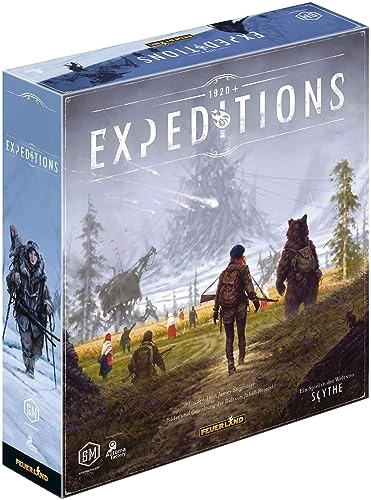
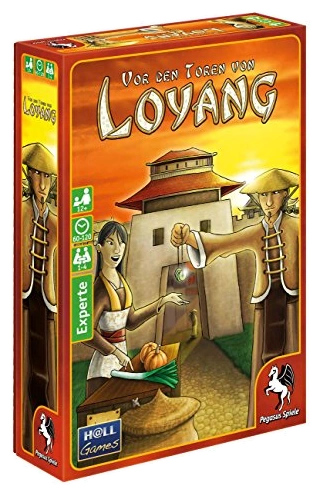

🪜 Love The Manhattan Project: Energy Empire? Ready for more – the staircase shows three games, each a little more demanding, and what each one adds.
The Manhattan Project: Energy Empire: common questions
- How many players is The Manhattan Project: Energy Empire for?
- The Manhattan Project: Energy Empire plays 1 to 5. Players say it works best with 4.
- Can you play The Manhattan Project: Energy Empire with two players?
- Yes. Players recommend it with two.
- Can you play The Manhattan Project: Energy Empire solo?
- Yes, it has a solo mode, and players recommend it.
- How long does a game of The Manhattan Project: Energy Empire take?
- 60 to 120 minutes according to the publisher. A first game with the rules explanation usually runs longer.
- What age is The Manhattan Project: Energy Empire suitable for?
- The publisher recommends The Manhattan Project: Energy Empire for ages 13 and up.
- Is The Manhattan Project: Energy Empire hard to learn?
- The community rates its complexity 3.0 out of 5 — that is medium.
- Is The Manhattan Project: Energy Empire language-dependent?
- Partly. The components carry some text; an edition in your language helps.
We like The Manhattan Project: Energy Empire so much that we recommend it in the following board game recommendation lists 2026
- Position 2 in The best games from Minion Games 🇺🇸🏢
- Position 2 in The best games by Luke Laurie 🇺🇸👨
- Position 5 in The best games by Tom Jolly 🇺🇸👨
- Position 17 in The best worker placement games with different worker types
- Position 17 in The best games with worker placement with different types of workers