The best games by Richard Breese 🇬🇧👨 2026
Looking for a really good game by Richard Breese? Here's the list of the best Richard Breese games 2026.
Who is Richard Breese?
The game designer hails from United Kingdom🇬🇧 and currently lives in Stratford-upon-Avon, England. An accountant by profession, he has designed and self-published games through his own company R&D Games since 1989 – above all the well-known "Key" series.
Richard Breese as a game designer
Richard Breese's first game in our database is Chamelequin, from 1989 – so Richard Breese has been designing games for over 37 years. The best-known game is Keyflower.
How good are games by Richard Breese?
There are 1 games by Richard Breese in our Top-1000 games list – making Richard Breese #238 of the best game designers out of 12793 designers in our database.
More information about Richard Breese
More about Richard Breese:
- BGG designer page of Richard Breese
- BGG profile of Richard Breese
- Designer interview with Richard Breese, creator of the "Key" series (BGG)
- Interview with Richard Breese (Cardboard Clash)
List of the best games by Richard Breese 2026
In this list you'll find the best board, card & dice games by Richard Breese that you can buy 2026.
-
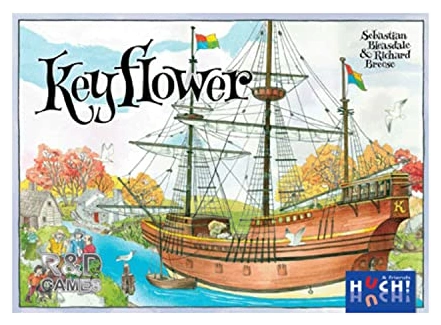
Keyflower
All details & ratingKeyflower is a strategic board game designed for 2-6 players that spans over four rounds, each representing a different season: spring, summer, autumn, and winter. The game combines elements of auction, tile placement, and resource management set in a medieval world. Players start with a "home" tile and a team of workers, using them to bid for new tiles, gather resources, and build their village.
2–6 90–120 min 12+ Medium complexity -
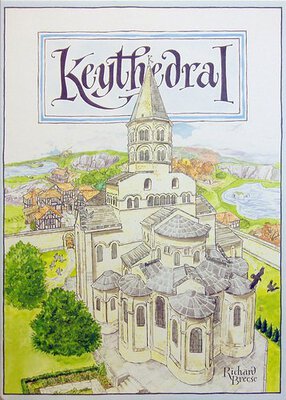
Keythedral
All details & ratingKeythedral takes you into the heart of Keydom, where the monumental task of building the Keythedral unfolds. Players act as planners, marshaling resources from the countryside to construct this grand edifice through five progressive stages, each demanding a unique set of materials. As the structure grows, so does the complexity of your strategy.
2–5 60–90 min 8+ Medium complexity -
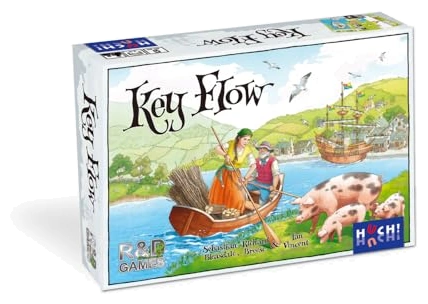
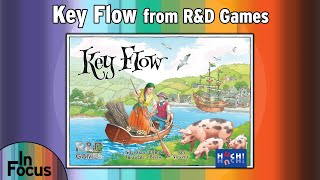
Key Flow
All details & ratingThe great river Key Flow flows through the new Key Lands, transporting ships loaded with resources for building and trading. Players develop their own unique villages along the river, sending workers called "Keyples" to work in their own businesses as well as those of their neighbors. The game, based on ideas from the award-winning Keyflower, unfolds over four seasons, allowing players to earn points through their buildings, animals, and other items.
2–6 45–75 min 14+ Medium complexityVideo reviews 2 -
The Glade
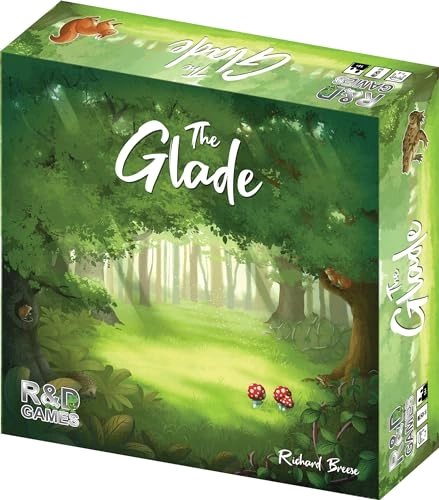
All details & ratingSummer arrives in the forest, bringing life to the glade. Players fill their personal forest boards with sets of tiles depicting creatures, leaves, and forest fruits. By completing sets of tiles, they can place fly agaric tiles on the central tableau or add them to their supply, aiming to score the most points by the end of the game. After mastering the base game, players can transition to the "Matching" variant, aligning their tiles with the creatures, leaves, or fruits on their boards.
1–4 30–60 min 14+ Medium complexity -
Reef Encounter
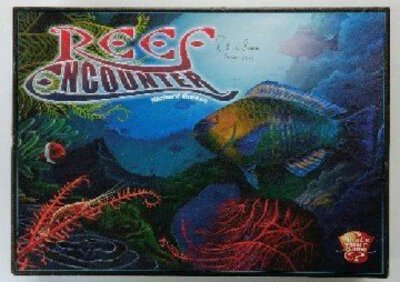
All details & ratingReef Encounter is a strategic board game designed by Richard Breese that simulates the complex and vibrant ecosystem of a coral reef. Players engage in the growth and protection of various coral types, using polyp tiles and strategically placing shrimp counters to defend against attacks from other corals. The game combines elements of resource management and tactical positioning, requiring players to consume polyps from neighboring corals to gain valuable polyp tiles.
2–4 60–120 min 10+ For connoisseurs -
Keyper
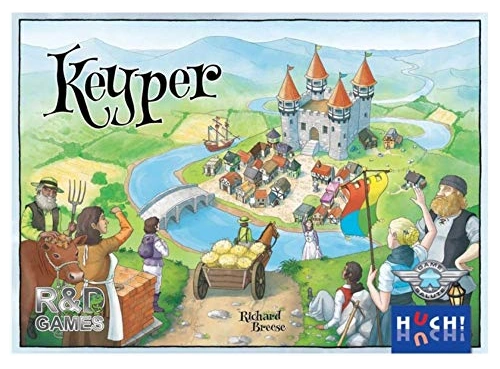
All details & ratingKeyper is a highly interactive game for two to four players, played over four seasonal rounds: Spring, Summer, Autumn, and Winter. Players manage their own village boards and various colored key tokens that act as specialists in different activities, while also having the ability to cooperate with other players during turns to benefit both parties. The game features strategic decisions based on the seasonal availability of actions and resources, with the goal of scoring the most points through diverse strategies.
2–4 90–120 min 14+ For connoisseurs

















Frequently asked questions
Which game ranks first on this list?
Keyflower currently tops our list. The ranking is derived from player community ratings and is recalculated continuously.
How many players do the games on this list support?
Most games on this list support 2 to 5 players. The exact player count is listed with each game.
What age are these games suitable for?
Publisher age recommendations on this list start at 8 years. Each game carries its own age rating.
How long does a game take?
A typical game takes about 60 to 120 minutes. Each game's playing time is listed individually.
Didn't find the game you were looking for?
We're positive that you'll find it in one of our other lists! To make the search easier for you, we split our website into different categories. The following board game categories will help you find the right list: